
This post contains affiliate links. As an Amazon Associate I earn from qualifying purchases, at no extra cost to you. Learn more.
Wagyu is one of the most expensive foods you can buy for your kitchen, so it is fair to ask whether it is actually worth it. The honest answer: it depends on what you expect and how you serve it. Treat A5 like a regular steak and you may be disappointed; treat it like a rich delicacy and it can be one of the most memorable things you cook all year.
Quick answer
- Worth it for a special occasion, a tasting with friends, or if you love rich, buttery beef.
- Probably not worth it if you want a big, beefy steak to eat on your own, or you plan to cook it well-done.
- Best value: American Wagyu for steak night, Japanese A5 in small shared portions.
In this guide
What Wagyu actually tastes like
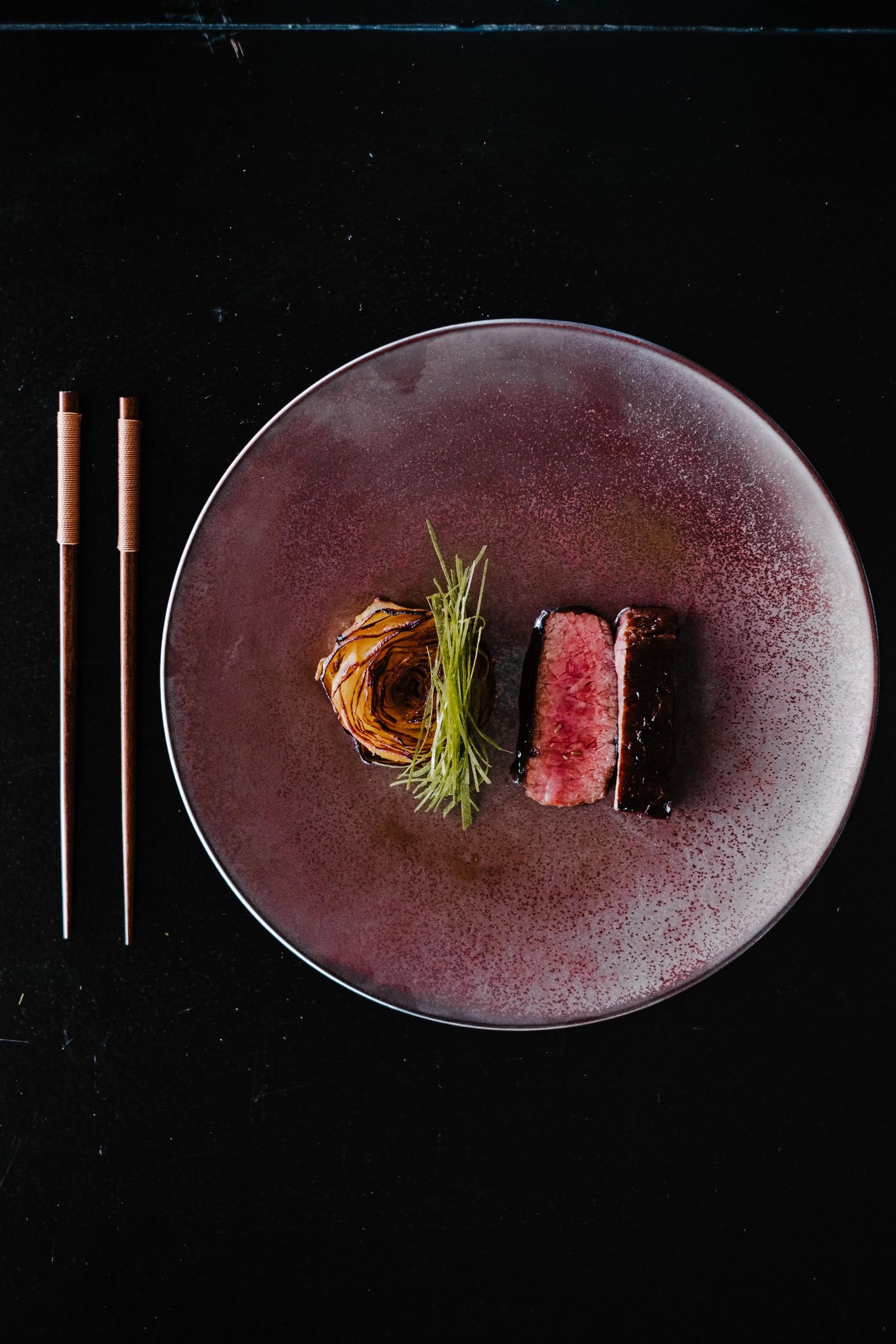
Japanese A5 Wagyu is extremely marbled. When it hits a hot pan, the fat begins to melt quickly, so the texture is soft and almost buttery, with a sweet, rich flavor. Many people find that 2 to 4 ounces is plenty. American Wagyu sits in between: more marbled and juicier than a typical supermarket steak, but still with the familiar chew and beefy taste of a classic steakhouse cut.
When Wagyu is worth it
- Special occasions: birthdays, anniversaries or holidays where the experience matters as much as the meal.
- Sharing: one A5 steak sliced thin can be a tasting course for four people.
- Curiosity: if you have always wondered what the hype is about, a small, well-chosen piece answers the question.
- Yakiniku or hot pot nights: thin slices cooked at the table are a fun way to enjoy it.
When it is not
- You want a big steak dinner for one. A full portion of A5 can feel too rich. Choose American Wagyu or USDA Prime instead.
- You like steak well-done. Long cooking renders out the fat that makes Wagyu special.
- You plan heavy sauces or marinades. They cover up the flavor you are paying for.
- The price stretches your budget. Great everyday beef is a better choice than stressing over an expensive steak.
How to pick the right Wagyu for you
| If you want… | Choose | Why |
|---|---|---|
| The famous melt-in-your-mouth bite | Japanese A5 (BMS 8–10) | Maximum marbling; serve small portions |
| A full, juicy steak dinner | American Wagyu ribeye or strip | More marbling than regular beef, normal portion size |
| Great value with lots of marbling | Australian Wagyu or A4 | Rich without top-tier prices |
| The cheapest way to try Wagyu | Wagyu ground beef or burgers | Big flavor upgrade for a small price |
Our grading guide explains BMS and A5 in detail, and the Wagyu price guide shows what each option typically costs.
How to get the most from every dollar
- Buy from a trustworthy seller that states the grade and origin clearly (see where to buy Wagyu online).
- Thaw it properly in the fridge (here is how).
- Cook it hot and fast and keep seasoning simple: salt, maybe pepper.
- Slice thin and share. Rich beef shines in small bites.
- Use an instant-read thermometer for thicker American Wagyu so you do not overcook it.
Want to try real A5 at home?
If you are ready for the full experience, this is the Japanese A5 ribeye we feature on the site. Check the current price and reviews before you buy.
FAQ
Does Wagyu really taste different from regular steak?
Yes. The high level of fine marbling gives Japanese A5 a much softer, richer texture than typical steak. American Wagyu is closer to a regular steak, but juicier.
Is American Wagyu worth it compared with USDA Prime?
Often, if you love marbling and juiciness. Prime is excellent too, and sometimes cheaper, so it comes down to taste and price on the day.
How should I serve Wagyu to guests?
Sear it, rest briefly, slice it thin and serve small portions with flaky salt. Simple sides like rice or a light salad work best.
Is Wagyu healthier than regular beef?
Wagyu fat is often described as having a higher share of monounsaturated fat, but it is still a rich, high-fat food. Enjoy it as a treat.
Keep reading
More Wagyu guides
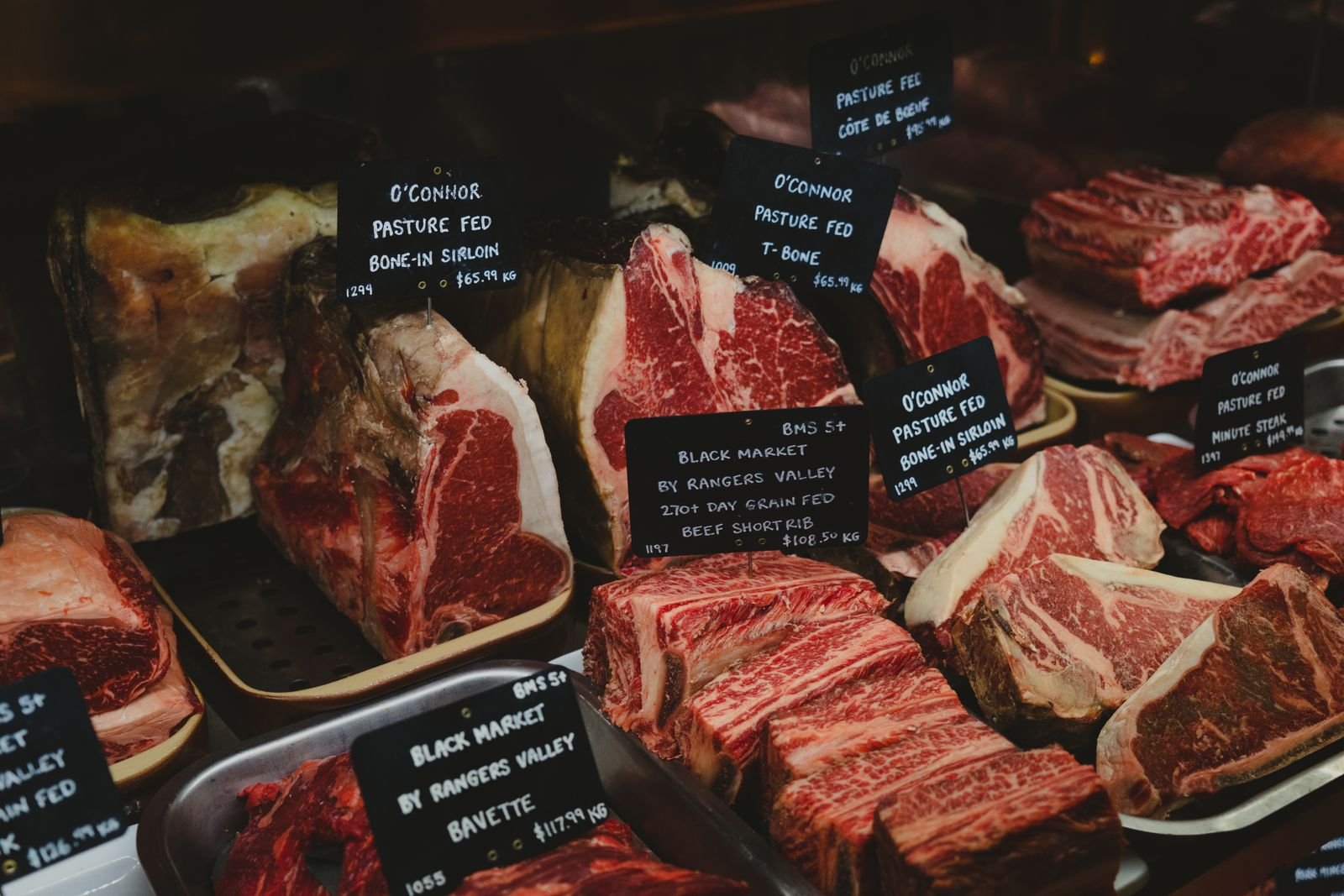
How Much Does Wagyu Cost? A Price Guide
Typical prices for A5, Australian and American Wagyu, and how to save.
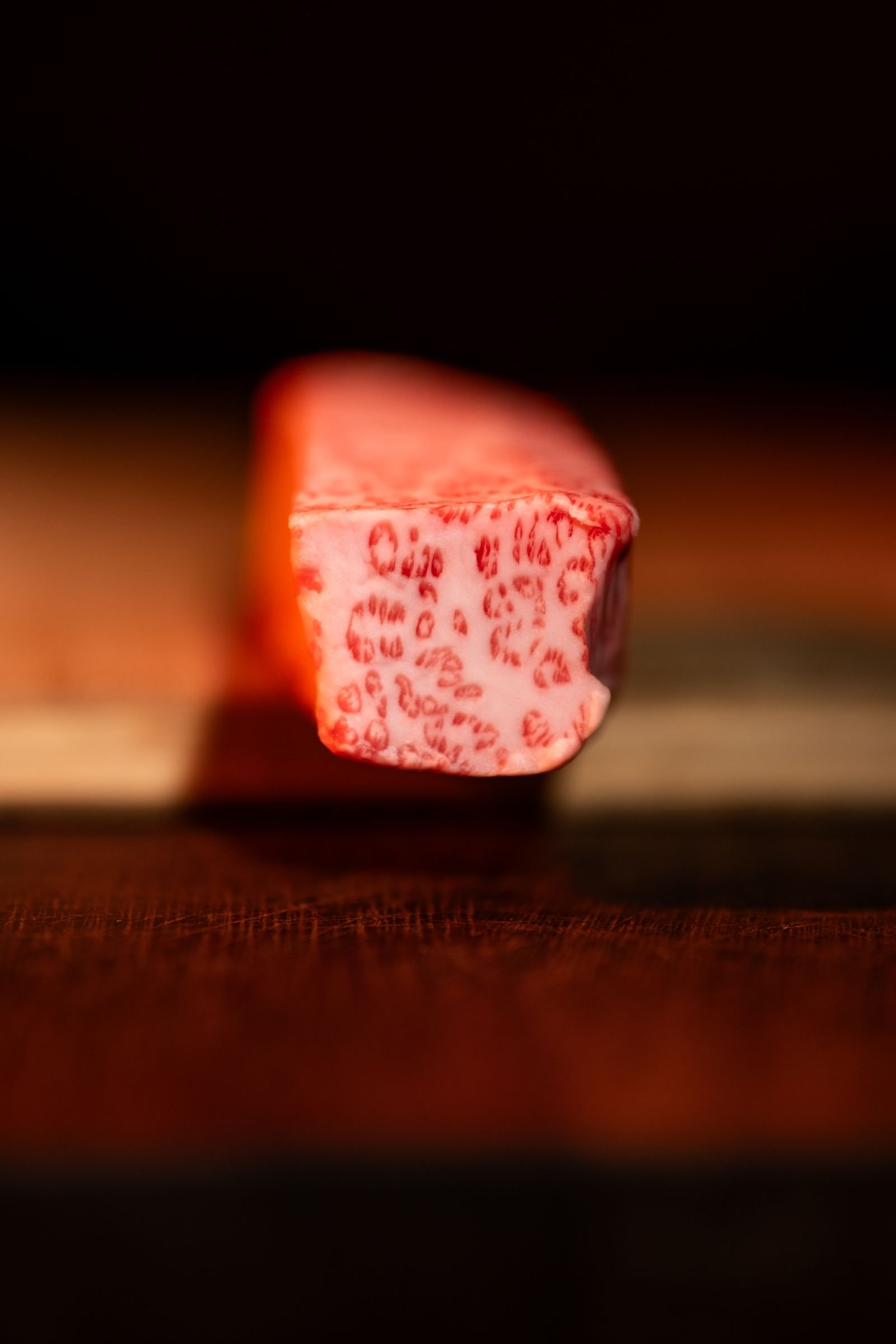
Wagyu Grades Explained: What A5 and BMS Really Mean
Yield grade, quality grade and the 1–12 marbling score, in plain English.
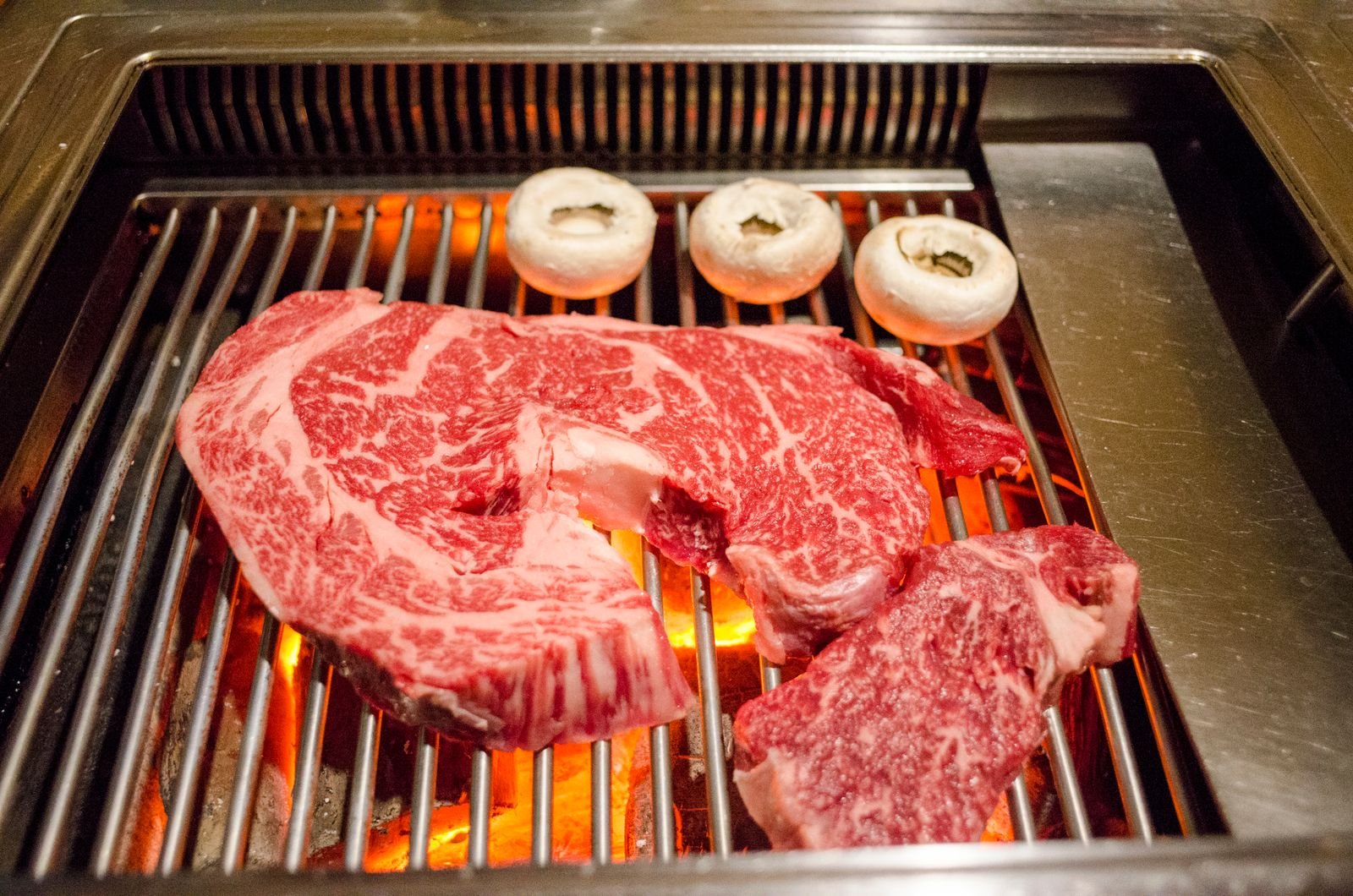
How to Cook Wagyu Steak at Home (Without Ruining It)
Six simple steps, a time and temperature cheat sheet, and the mistakes to avoid.
Leave a Reply